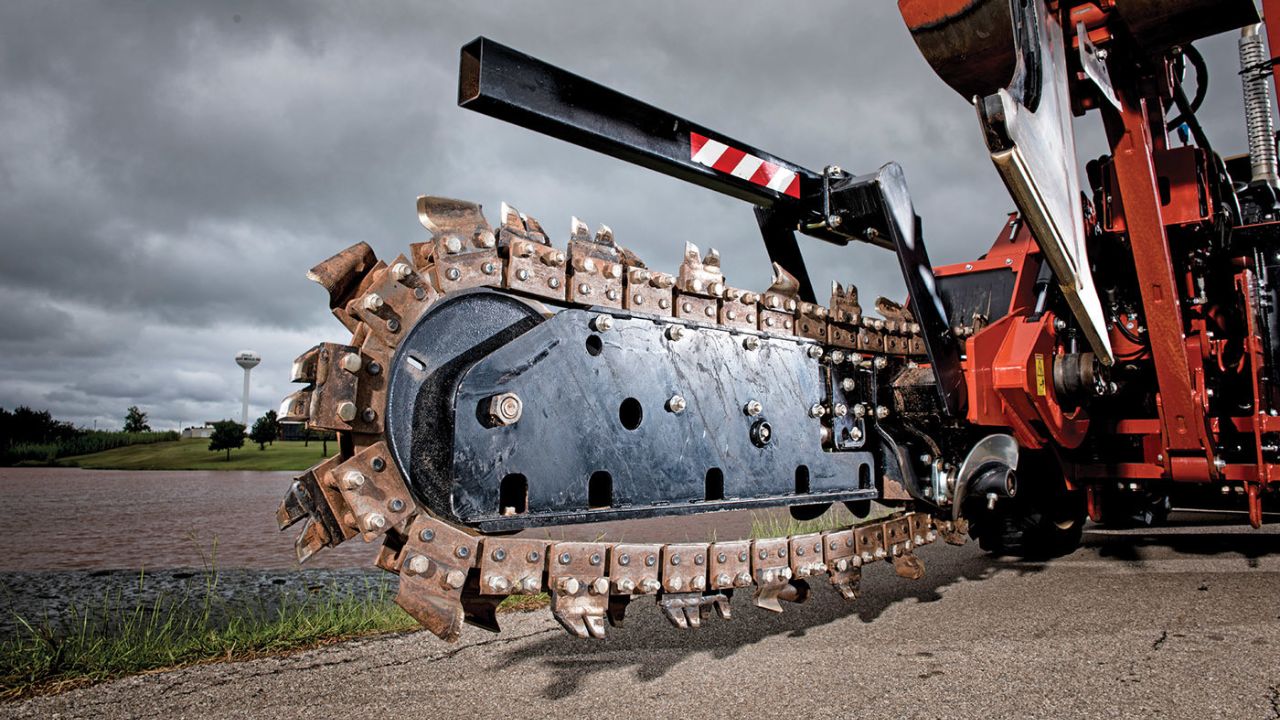
Vermeer trencher teeth are commonly used in construction and utility trenching due to their tough digging design. In rocky soil, the selection of the appropriate teeth becomes all the more significant. Rocky ground imposes additional loads on trenching machines and may easily damage low-quality teeth. When the wrong kind of teeth is used, it may cause slow excavation, frequent breakages, and high maintenance. Correct selection of vermeer trencher teeth assists in enhancing the performance, augmenting the longevity, and minimizing downtime.
Understand the Nature of Rocky Soil
The initial action in choosing the appropriate trencher teeth is to be familiar with rocky soil. Hard stones, compact layers, and irregular surfaces are found on rocky ground, which is hard to cut through. Such a soil needs powerful and exceptionally robust teeth that can both cope with the impact and abrasion simultaneously. The normal teeth can be easily worn out or broken because of the pressure. Knowing the hardness of the ground, operators can select teeth with special features for working in rocky conditions and prevent the unjustified failure of equipment.
Choose Carbide-Tipped Teeth for Strength
Carbide-tipped trencher teeth are most often used in rocky soil. Carbide is a quite hard metal and can resist severe impact and constant usage. These teeth are also sharper and more used in rough environments than the normal steel teeth. Carbide choices are also popular among many users as they minimize the number of replacements and enhance cutting performance. Carbide-tipped designs are the best choice whenever choosing Vermeer trencher teeth to be used in rocky soil because of their strength and durability.
Select the Right Tooth Shape
In the rocky soil, the shape of teeth is significant in cutting performance. Shapes with aggressive shapes, like conical or pointed shapes, are more effective in breaking hard surfaces. These forms assist in focusing force on small points, and hence, cracks are easily made in rocks and compact layers. Plain or dull shapes are not applicable in rocky conditions as they are not able to cut through hard ground. Proper shape selection assures improved digging and less stress on the machine when operating.
Consider Heavy-Duty Tooth Construction
When dealing with rocky soil, heavy-duty trencher teeth are to be used. They are constructed using stronger materials and reinforced designs to withstand high impact. Light-duty teeth can bend, crack, or even break when they are exposed to stones and hard layers. Special Vermeer trencher teeth are heavy-duty, designed and built to work in challenging environments and last longer. The choice of robust construction will guarantee the equipment to work dependably even under the most challenging trenching conditions.
Match Teeth with Vermeer Machine Models
The other significant criterion is that it should be compatible with the particular Vermeer trencher model. The teeth are not universal to all machines, and thus, it may be crucial to consult the manufacturer’s specifications when buying. The wrong teeth may result in poor performance, loose fitting, or even damage the machine. Appropriate matching is done to make sure that the teeth fit in place and serve their purpose. It also aids in ensuring safety and enhances the general efficiency of trenching in rocky soil.
Check for Strong Impact Resistance
Trencher teeth in rocky soils are in incessant contact with hard rock and discontinuities. This produces a powerful force of impact that may cause damage to weak teeth. That is why impact resistance is very important. Strong alloys or carbide teeth are more effective in taking the shock without fracture. Selecting Vermeer trencher teeth, users must make sure that they are designed to be impacted repeatedly. This aids in averting the abrupt breakdowns and maintains the machine in a stable operation.
Balance Cost with Long-Term Value
When choosing trencher teeth, most users are only interested in the cost. In the case of rocky soil, however, cheaper teeth tend to wear out easily and are frequently replaced. This adds up to total operating costs. Vermeer trencher teeth of high quality might be expensive at first, but they will be more durable and will last longer. It is significant to balance cost and long-term value in order to have efficient and economical trenching operations. Good teeth are cost-effective by minimizing the number of days off and enhancing productivity in the long run.
Conclusion
When choosing the most suitable Vermeer trencher teeth to use on rocky soil, it is important to consider the material, design, compatibility, and durability. Rocky ground requires teeth that are strong, wear and impact-resistant to withstand constant stress. Such conditions require carbide-tipped, heavy-duty designs that are of appropriate shape and fit. Neglecting these can result in low performance, frequent failures, and increased expenses. Through the correct choice, operators can enhance the efficiency of digging, the life of the equipment, and provide efficient trenching activities, even in the most unfriendly rocky conditions.